

At some point, most entrepreneurs hit the same wall. Not a market problem or a money problem. A mental one.
You know what you should do next. You might even know it clearly. But something stops you from doing it, and you’re not entirely sure why.
That’s usually fear. And it’s a lot more common than people let on.
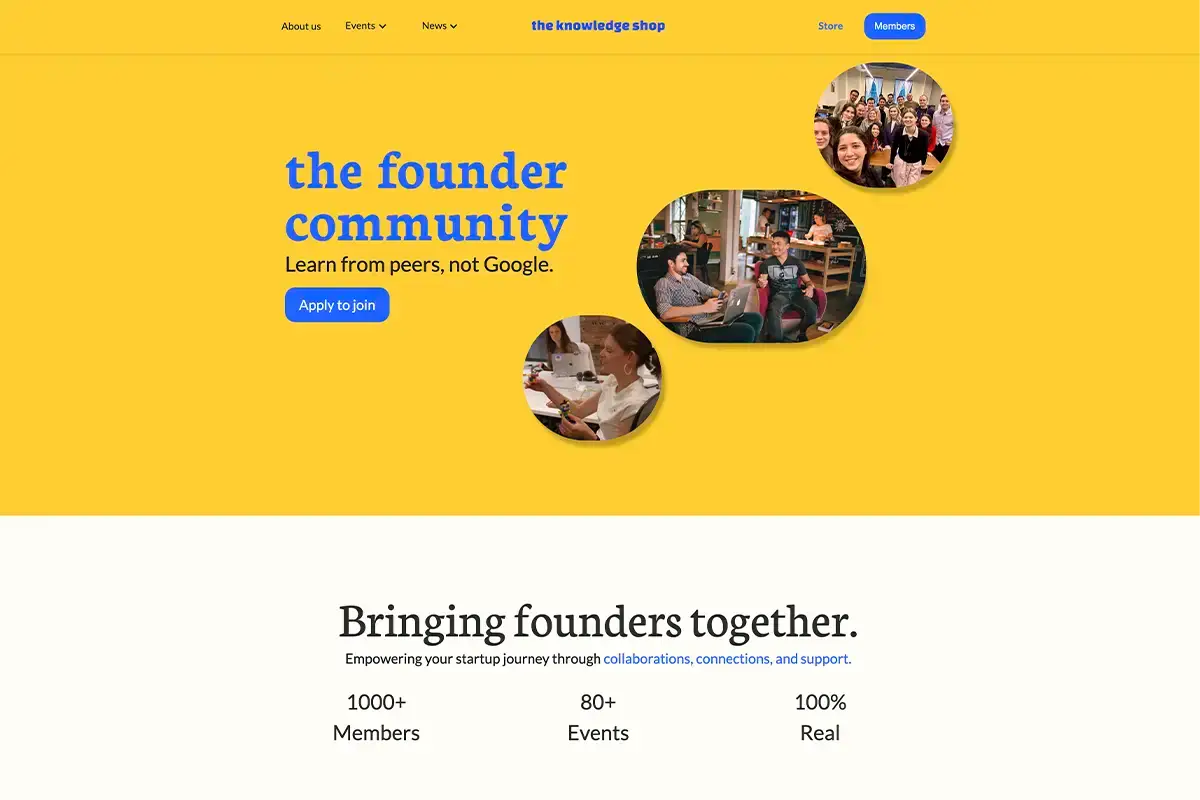
I sat down recently with Tori Hanson, founder of The Knowledge Shop and Meet in Ten, two New York City businesses built around helping entrepreneurs and startup founders connect and grow. Before launching either of them, Tori spent seven years at The New York Times as Managing Director of Commerce, building businesses inside one of the most recognized media brands in the world.
She walked away from all of it. And what she shared about that decision, and about the entrepreneur mindset it takes to keep going after you make it, is worth paying attention to.
The Fear Nobody Talks About Openly
Tori didn’t leave the New York Times because things were going badly. She left because she knew she needed to build something of her own, and staying put was easier than admitting that.
She described it like living with your parents. Comfortable. Stable. Meals on the table. But at some point you know you need to go.
The fear wasn’t really about failing. It was about giving up the identity she’d spent her whole career building. She’d climbed the ladder, made it somewhere real, and stepping off felt like stepping backward even though she knew it wasn’t.
This is one of the more honest things an entrepreneur can admit. We talk a lot about the external risk of starting something new. We talk less about the internal cost of letting go of who you were before you started.
I’ve felt a version of this too. As an opera singer who became a real estate agent, there was a period where I wasn’t sure I was giving up something or gaining something. It took years of results before that question stopped coming up.
Falling in Love with the Problem, Not the Solution
Tori didn’t get her first business idea right. Or her second. She pivoted more than once before landing on what The Knowledge Shop actually is today.
What kept her going through those pivots wasn’t stubbornness. It was that the underlying problem she was trying to solve never changed. She believed people do their best work in person, that real connection happens in the same room, and that most networking environments make that harder than it needs to be. Every version of her business was a different attempt at solving the same thing.
Her advice: fall in love with the problem, not the solution. When you’re attached to the problem, pivoting feels like progress. When you’re attached to the solution, every pivot feels like failure.
This maps directly onto real estate. The agents who burn out are usually the ones who fell in love with a particular way of doing things, a specific neighborhood, a certain type of client, and couldn’t adapt when the market moved. The ones who build long careers stay focused on the core problem they solve for people and find new ways to solve it as things change.
Consistency Is the Competitive Advantage Nobody Wants to Talk About
Here’s the part of our conversation I keep coming back to.
Tori made a point about newsletters and content that hit close to home. She said building in public, being open about what you’re doing and sharing it consistently, tends to work better than holding everything tight and waiting until it’s perfect.
I have proof of this.
Last week I got an email from someone I hadn’t thought about in years. The subject line was a three-bedroom, two-bathroom address in Battery Park City. The body said: you probably don’t remember me, but ten years ago my daughter won singing lessons from you at a school fundraiser. I’ve been reading your newsletter every month since then. We’re ready to sell our $2.3 million apartment and we’d like you to come in.
I went. I got the listing.
That person was sitting in a database of 11,000 people. I had no idea they were there. If I had skipped a month, gotten lazy, or decided the newsletter wasn’t worth the effort, that deal doesn’t happen.
You have no idea who is watching. You have no idea whose timeline you’re on. The only way to be there when someone is ready is to show up before they are.
Overcoming Fear of Failure Gets Easier
One of the most practical things Tori said was this: the more you normalize doing things that scare you, the easier it gets.
Not because the fear disappears. Because you start to trust your own elasticity. You do something uncomfortable, you survive it, and your reference point shifts. The next scary thing is measured against everything you’ve already come through.
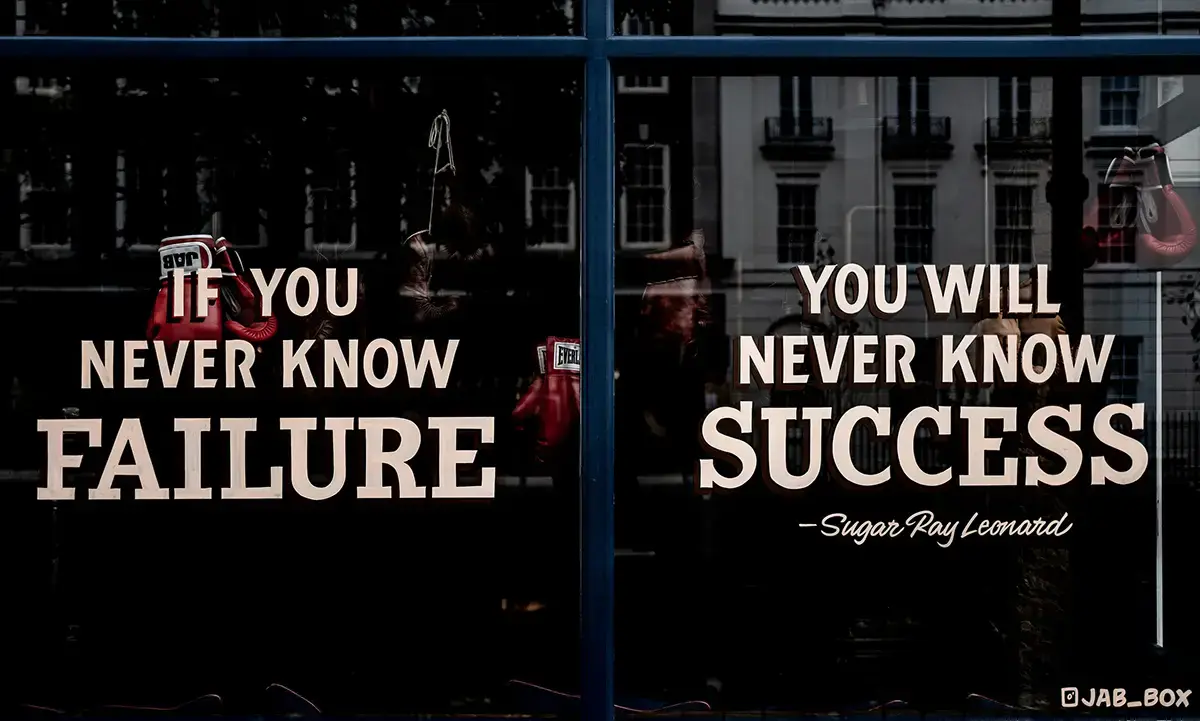
She wished failing had been taught like a skill when she was younger. Not catastrophic failure, but the small kind. The cold call that doesn’t land. The pitch that gets a no. The event nobody shows up to. Those experiences build something in you that no amount of preparation can replicate.
I bombed auditions as a singer. I walked out of rooms where I knew I’d left nothing good behind, sometimes in tears. But each one recalibrated what I thought I was capable of handling. By the time I was competing for seven-figure listings, the high-stakes version of that same feeling was familiar enough that I could work through it.
The entrepreneur mindset isn’t about eliminating fear. It’s about building enough of a track record with yourself that fear stops being the deciding factor.
Ask for Help More Than Feels Comfortable
Tori also talked about leading with curiosity as a business development approach, and it’s one of the smarter things I’ve heard on this podcast.
When she was doing customer research for Meet in Ten, she reached out to co-working space owners with genuine questions, not pitches. She was openly trying to learn. Almost all of them said yes. And at the end of those conversations, several of them invited her to host events in their spaces, something she’d been cold outreaching for without success.
People want to help other people who are genuinely curious and honest about where they are. The entrepreneurs who grow fastest are almost never the ones who pretended they had it figured out. They’re the ones who asked good questions, made real connections, and stayed open to where those conversations led.
I’ve never turned down a DM from someone who wanted to talk about real estate or building a career in this business. Not once. Because I know what it felt like to be on the other side of that ask, hoping someone would take ten minutes.
The Mindset That Actually Moves You Forward
Tori’s advice to her younger self was short: get out of your own way.
Not hustle harder. Not optimize more. Just stop letting the version of yourself that’s afraid of getting it wrong make decisions for the version of yourself that actually wants to build something.
That’s the entrepreneur mindset in its simplest form. You’re going to get things wrong. The pivot will come. The deal will fall through. The business idea will need to change. None of that is the end of anything. It’s just the process.
Show up anyway. Stay consistent. Ask for help. Fall in love with the problem.
If you’re buying or selling in New York City and want to work with someone who has put that kind of thinking into this market for over a decade, reach out.